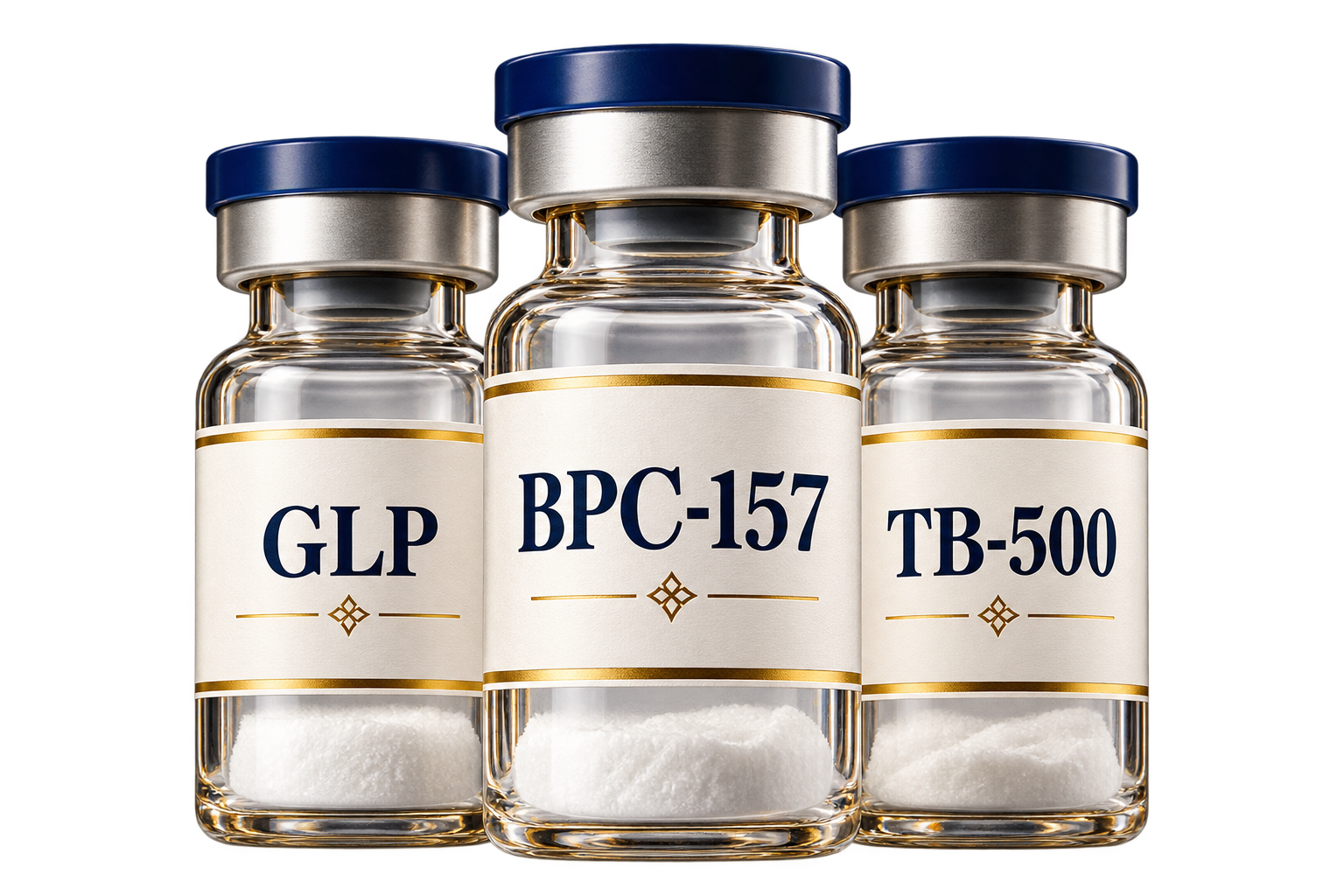

Illustrative peptide vials labeled GLP, BPC-157, and TB-500Peptide LegalCompliance Help and DefenseRequest review →

Patient safety · Prescribing · Clinic operations

Peptide treatments can put the entire practice at risk.

A treatment menu creates responsibilities that extend from the supplier to the patient record. Review the product, the people providing care, and every promise made to patients.

Wellness Centers & Clinics  •  Updated September 24, 2026  •  4-minute read

AI-generated wellness-center workers in medical scrubs
AI-generated illustration. Not an actual client, provider, or endorsement.

A clinic considering a peptide program needs more than a vendor assurance or a signed patient waiver. The legal analysis depends on the actual product, its approval or compounding status, the licensed professionals involved, the state where care occurs, and how the service is promoted. Calling a service wellness or anti-aging does not answer those questions.

Key distinctionA prescription is not a universal authorization to administer any research peptide. Off-label prescribing of an approved drug and use of an unapproved research product present different legal questions.
01 / RISK OVERVIEW

Civil exposure

Patient-injury claims, consent disputes, misleading advertising allegations, and vendor or insurance disputes.

02 / RISK OVERVIEW

Licensing exposure

Questions about prescribing authority, supervision, dispensing, professional ownership, and the location of each patient.

03 / RISK OVERVIEW

Criminal exposure

Drug-law violations may carry criminal consequences. An adverse outcome or regulatory inquiry alone does not establish a crime.

Start with the actual vial

FDA-approved medicines, lawfully compounded preparations, and research chemicals are distinct categories. FDA explains that compounded medicines do not receive premarket approval and that contamination or incorrect strength can cause serious harm. A supplier’s certificate of analysis does not, by itself, establish legal eligibility for patient treatment. Ask counsel to assess the supply arrangement alongside a qualified clinician’s safety review. [1]

Where a civil claim can begin

An injured patient may challenge product selection, screening, consent, administration, or follow-up. The viable claim and standard of care depend on state law and the evidence. Advertising can create another dispute when a clinic promises results it cannot substantiate. “FDA registered” should not be presented as product approval. Clinical consent and a disclaimer cannot be treated as substitutes for lawful sourcing and competent care. [2]

When criminal counsel may be needed

Section 333 provides criminal penalties for prohibited drug-law conduct, including enhanced penalties for certain repeat offenses or intent to defraud or mislead. [3] If investigators request an interview, records, or information about sourcing, arrange prompt legal review. Counsel can identify the scope of the request, preserve records, and coordinate a response without guessing about the clinic’s obligations.

What a focused legal review should address

Map who orders, receives, prescribes, administers, and bills for each product. Review patient-state licensing, ownership and supervision arrangements, vendor contracts, website claims, consent documents, complaint procedures, and insurance notice requirements. Identify any activity that must stop or change. The goal is a defensible operating plan based on the practice’s actual facts.

PRACTICAL NEXT STEPS

Prepare for a useful legal consultation.

  1. Preserve supplier invoices, lot information, protocols, patient communications, and advertising versions.
  2. Escalate patient-safety concerns to the treating professional and obtain advice about reporting duties.
  3. Send counsel the notice, deadline, practice locations, and a clear description of the program.

Get advice for your specific situation.

Request a free initial consultation through our preliminary review form. Counsel can assess the facts, jurisdiction, urgency, and whether representation can be offered.

Start your review →

Sources & scope

Primary sources reviewed September 24, 2026. The discussion applies these sources to common business scenarios; it is not an agency ruling on your business. Rules, enforcement policies, and product status can change. State-specific questions require current local-law review.

  1. FDA: Compounding questions and answers
  2. FTC: Health products compliance guidance
  3. U.S. Code: 21 U.S.C. 333 — criminal penalties