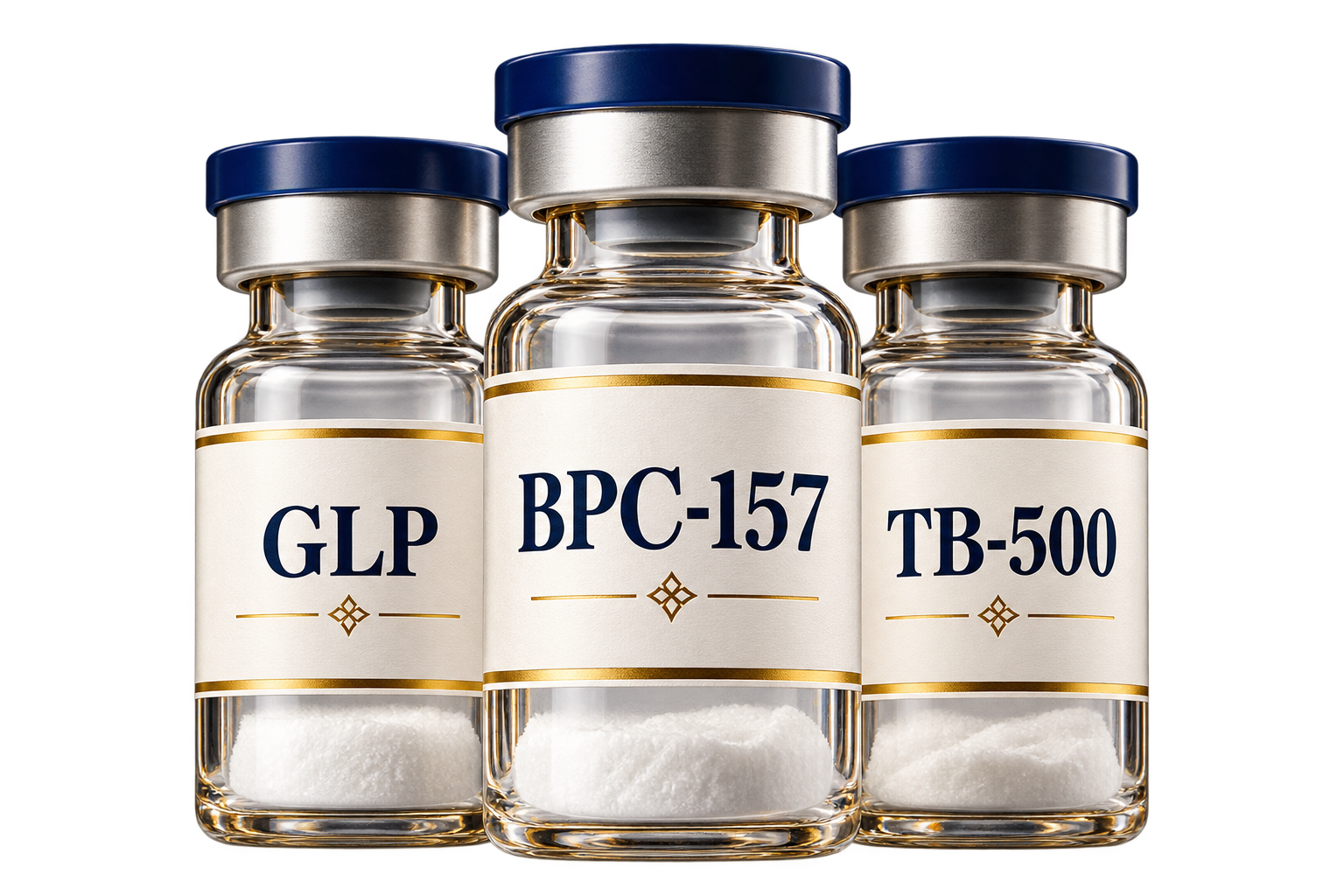
Illustrative peptide vials labeled GLP, BPC-157, and TB-500Peptide LegalCompliance Help and DefenseRequest review →

Intended use · Online sales · Business continuity

A research-only label does not resolve intended use.

Your product pages, sales conversations, affiliate network, and fulfillment practices can tell a different story from the disclaimer on the vial.

Peptide RUO Resellers  •  Updated September 24, 2026  •  4-minute read

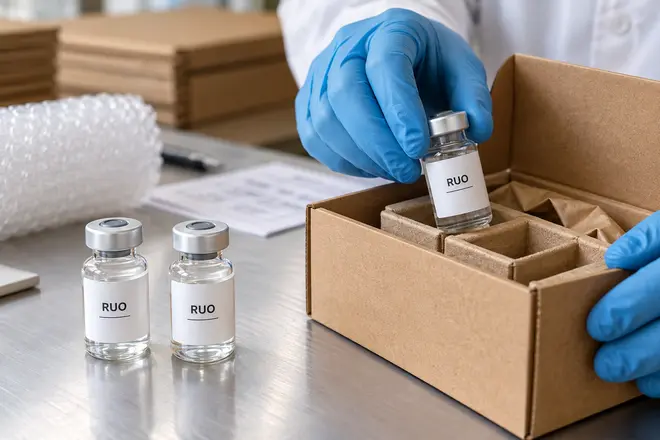
AI-generated research peptide vials being packed for shipment
AI-generated illustration. Not an actual client, provider, or endorsement.

Research-use-only sellers face a central question: what is the product actually being marketed and distributed for? A genuine laboratory supply model requires a different factual analysis from consumer-facing sales tied to weight loss, recovery, or self-injection. Legal review should examine the whole operation, including content written by people paid to promote it.

Key distinctionAn age gate, research checkbox, disclaimer, or purity report is not a safe harbor for sales that are actually intended for human drug use.
01 / RISK OVERVIEW

Civil exposure

Consumer claims, competitor disputes, demands to stop sales, and contract conflicts.

02 / RISK OVERVIEW

Regulatory exposure

Unapproved-drug allegations, warning correspondence, and possible seizure or injunction.

03 / RISK OVERVIEW

Business exposure

Registrar action, withheld payment funds, marketplace removal, and supply interruptions.

Why the surrounding evidence matters

In its August 24, 2026 Peak Performance Peptides warning letter, FDA cited website claims and the sale of reconstitution water as evidence of human drug use despite research disclaimers. That is an agency enforcement position in a particular matter, not a court judgment against every research seller. It demonstrates why the business’s actual content and conduct need review. [1]

Civil disputes can move on a separate track

A customer, competitor, registrar, or payment provider may act under a different legal or contractual theory. Counsel should distinguish a private demand from an agency warning and a lawsuit from an account suspension. Whether damages, an injunction, or another remedy is available depends on the claim, standing, governing law, and proof; a disputed regulatory issue does not automatically establish every private claim.

Criminal exposure requires a separate assessment

Section 333 provides criminal penalties for prohibited drug-law conduct, including enhanced penalties for certain repeat offenses or intent to defraud or mislead. [3] Obtain counsel promptly if investigators contact the business or a subpoena arrives. Do not assume that a warning letter is a criminal charge, or that the absence of a warning makes the operation lawful.

How counsel can help before a shutdown

A review can compare product descriptions, customer-service scripts, affiliate instructions, shipping records, supplier documentation, and the actual buyer base. Counsel can assess which sales or claims require correction, preserve relevant evidence, respond to notices, and evaluate platform appeals. Any appeal should address the stated grounds truthfully; moving to a new account or changing a label does not cure underlying conduct.

PRACTICAL NEXT STEPS

Prepare for a useful legal consultation.

  1. Preserve the original notice, website versions, messages, order records, and affiliate agreements.
  2. Calendar the exact response deadline; do not assume every agency or private notice uses the same period.
  3. Have counsel evaluate the products and conduct before issuing explanations or resuming disputed sales.

Get advice for your specific situation.

Request a free initial consultation through our preliminary review form. Counsel can assess the facts, jurisdiction, urgency, and whether representation can be offered.

Start your review →

Sources & scope

Primary sources reviewed September 24, 2026. The discussion applies these sources to common business scenarios; it is not an agency ruling on your business. Rules, enforcement policies, and product status can change. State-specific questions require current local-law review.

  1. FDA: Peak Performance Peptides warning letter, August 24, 2026
  2. FDA: Unapproved GLP-1 drug concerns
  3. U.S. Code: 21 U.S.C. 333 — criminal penalties