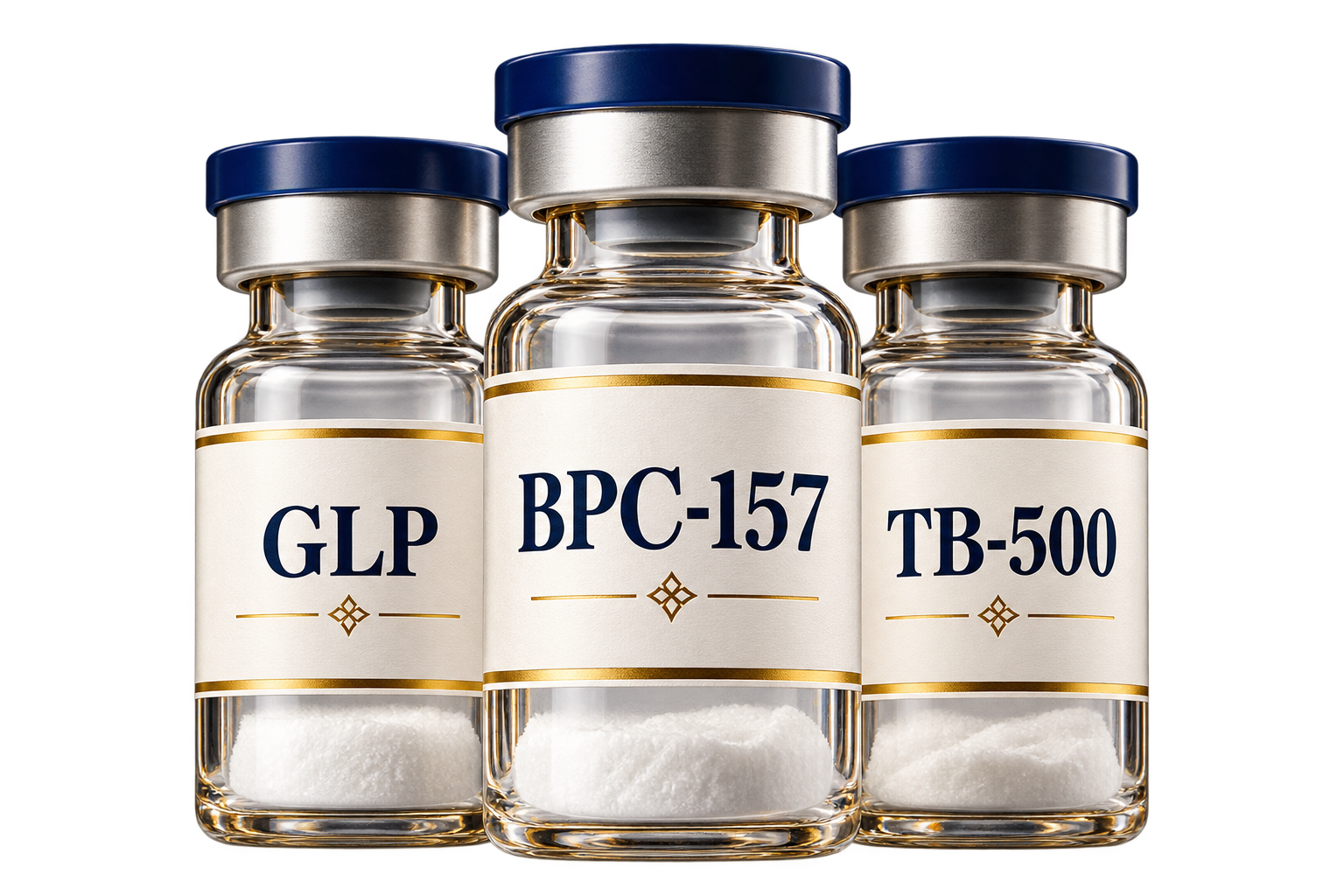

503A and 503B are different pathways
FDA’s April 2026 clarification describes patient-specific prescriptions and limits on essentially copying commercially available drugs under 503A. A documented prescriber determination of a significant difference for an identified patient can matter. Under 503B, bulk substances generally must satisfy the clinical-need-list or shortage pathway, with other conditions also applying. Do not treat adding an ingredient as an automatic exception. [1]
Quality failures can become legal disputes
A contamination allegation or potency discrepancy can affect patients, purchasers, professional licenses, and insurance coverage at once. FDA notes that 503B facilities are subject to current good manufacturing practice requirements; qualifying 503A compounding is treated differently, while prohibitions concerning insanitary conditions still apply. Counsel and qualified quality personnel should assess the specific records and duties together. [4]
Criminal issues deserve early attention
Section 333 provides criminal penalties for prohibited drug-law conduct, including enhanced penalties for certain repeat offenses or intent to defraud or mislead. [3] An inspection observation is not itself a conviction. Preserve original records and seek advice before responding to investigative questions or certifying corrective actions. Do not reconstruct records as though they were contemporaneous.
Where legal review adds value
Counsel can test the claimed exemption against actual prescriptions, ingredients, batch practices, shipping destinations, promotion, and inspection history. Review should also address the allocation of responsibility in telehealth and clinic contracts, adverse-event escalation, recall decision-making, and coverage notices. Any response to a regulator should be specific, accurate, documented, and coordinated with the professionals responsible for quality.